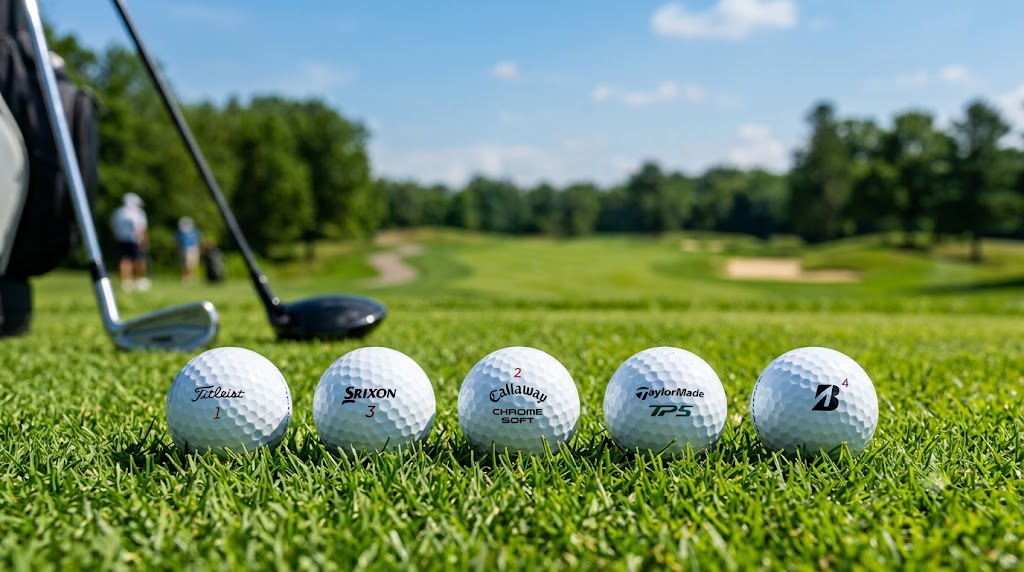
The best golf balls can help you improve your golfing experience. There are a number of different designs, materials, compressions, and prices available for golf balls. The right ball can help you on the course with distance, control, feel, and consistency.
But not all golf balls are for all golfers. New players can choose balls with a lower price point that are more forgiving, while advanced players can opt for higher spin and control on the greens. Knowing the key components of golf balls will assist you in choosing the most suitable golf ball for your game and budget.
Which Golf Balls are the Best?
The optimal best golf balls have a combination of distance, control, feel, and durability. Some are built to generate the maximum distance; others are built for short-game performance and spin.
Before buying golf balls, consider these important factors:
- Distance: Some golf balls can be used to get longer shots.
- Feel: Softer-feeling balls are ideal for golfers who love the feel of the ball in their hands, especially around the greens.
- Spin: With a higher spin model, the golfer can get more control on approach shots, depending on how the golfer plays his/her swing.
- Durability: A cover that is durable will help the ball last longer.
- Price: The price may be right for beginner and recreational golfers.
This will depend on your swing speed, skill level, and personal tastes.
What Types of Golf Balls Are Available?
1. Two-Piece Golf Balls
There are two-piece golf balls that usually have a core and an outer cover. They tend to be made to be distance, durable, and easy to play.
These balls may be a sensible option for novices and high handicap golfers who desire a reliable ball without a lot of spending.
2. Three-Piece Golf Balls
A three-piece golf ball will have extra layers that can assist with distance, feel, and spin control. Depending on the model, they can deliver better control around the greens than the traditional distance control ball.
At the intermediate level, they can be a great option for those looking to enhance their short game.
3. Multi-Layer Golf Balls
Multi-layer golf balls are made to have certain performance pros and cons, such as distance off the tee and more control on approach shots.
For more advanced players who are seeking better control over their golf shots, some high-end models include more advanced cover materials and construction.
Which Golf Balls Are Best for Different Players?
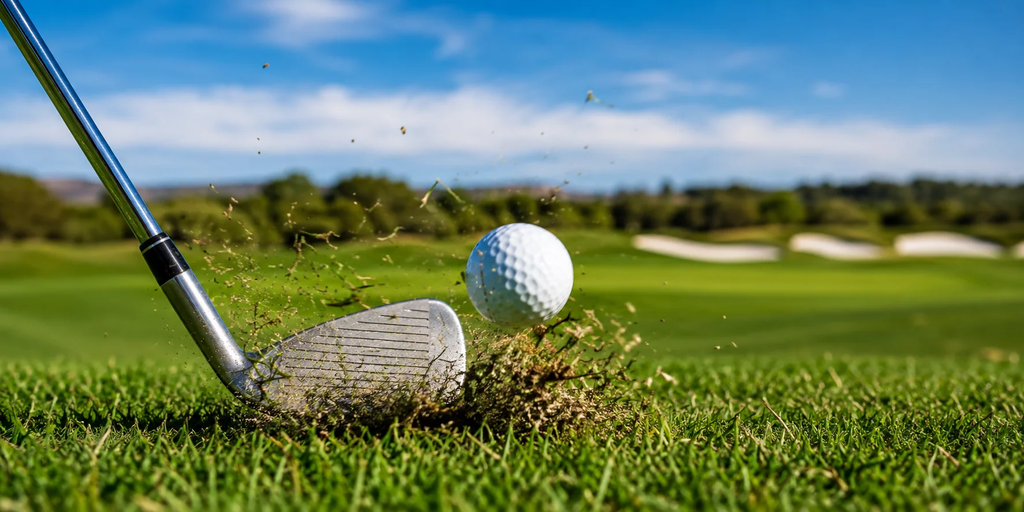
Best Golf Balls for Beginners
For beginners, it is important to pick low-cost, long-lasting golf balls with good distance control. With the learning process comes a loss of balls, so there may not be a need to purchase an expensive premium ball.
Two-piece balls with a focus on distance can be a good first choice.
Best Golf Balls for Slow Swing Speeds
Slower swing speed players might find an advantage in balls that will work well at slower impact velocities. A few low-compression models may offer a more mellow feel and enable players to get a useful distance.
But it depends on an individual golfer’s swing and the type of ball.
Best Golf Balls for Experienced Golfers
More advanced players might like to use high-quality, multi-layer golf balls, which offer greater spin, feel, and control on the green.
For advanced players, these models can assist them in controlling approach shots and short-game scenarios, but they might come with a higher price tag than simpler options.
How Can You Choose the Right Golf Ball?
The first step to choosing the best golf balls is to understand what you need. Before buying, keep in mind the following tips:
- Determine your ability: Entry-level models are good for beginners, are not very expensive, and are not easily broken.
- Think about swing speed: Select a ball that is appropriate for your swing and not just compression alone.
- Consider your priorities: Do you have a preference for distance, spin, feel, or overall value?
- Shop around: See how much each ball costs and consider shopping in packs.
- Try out various models: Play a few games with various balls to see how they perform.
Alternatively, if you’re not sure which ball is suitable for your game, you can seek professional guidance from a golf instructor or professional fitter.
Are Expensive Golf Balls Worth Buying?
Best golf balls, high-end golf balls might provide more advanced construction and feel, as well as more short-game control, at a higher cost. But with higher prices, it doesn’t necessarily translate to better performance for all golfers.
Those who play golf recreationally might be perfectly satisfied with a relatively inexpensive golf ball. For more advanced players who can hit the ball with ease, it is advisable to try more expensive models.
It is best to compare how balls perform on the course, rather than to select a ball because of price or brand name.
Conclusion
The best golf balls are the ones that are a perfect fit for you, your swing speed, skill level, and goals. A player who is new to golf could opt for a more inexpensive ball that has a longer lifespan, or a distance-focused ball, while an advanced player may want to play a higher quality ball with more feel and spin.
Shop around for construction, compression, durability, and cost prior to buying. By testing a few different options, you can find out which one has the best fit and performs best for your golfing style.
Frequently Asked Questions (FAQs)
1. Which golf balls are suitable for beginners?
Distance-focused golf balls, which offer durable performance without the premium price tag, can be good choices for beginners because they’re affordable.
2. Do golf balls affect distance?
Yes. The material in which the golf balls are made, their compression, how the balls move through the air, and the player’s swing can all affect distance. The outcome is dependent on the action of the ball on your personal swing.
3. Do slow swing speeds benefit from low-compression golf balls?
Some golfers have slower swing speeds and may find it to be more comfortable to use low-compression golf balls, as they can have a softer impact. However, compression alone is not the best option if considering performance on an individual basis.
4. When should I change my golf balls?
Replace damaged golf balls in the following cases: Cuts, cracks, or severe damage are visible. If a ball is not damaged but the ball is playing erratically, it may be continued in use.
5. Do high-quality golf balls cost more money?
For those who find the feel and spin of the premium golf balls advantageous, these balls might be worth the additional cost. For beginners and casual golfers, it may be better to get some lower-priced alternatives that are not quite as good.