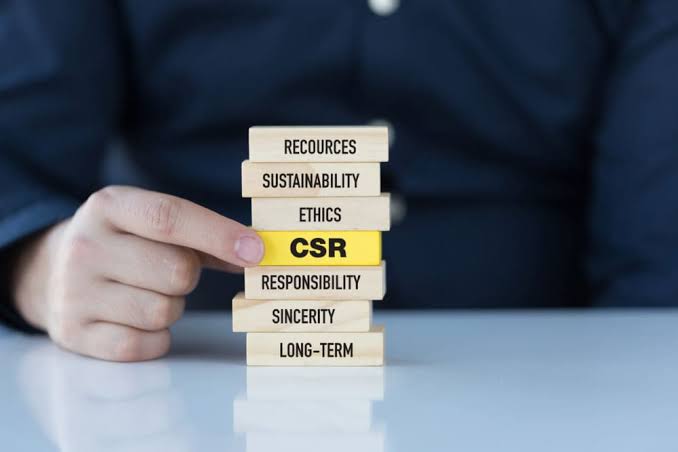
In a business environment that’s cut-throat, customers are looking for more than just a product or service; they expect companies to do more. They would like businesses to be socially responsible, environmentally responsible, and behave ethically. It is a tendency that has been creating a new expectation, which has become a part and parcel of modern corporate strategy in this world: CSR.
Corporate social responsibility is a company’s dedication to making a positive social impact with a focus on reducing adverse effects on the environment and communities. Businesses that engage in social causes, ethical business practices, and investments in sustainability are more likely to establish better customer, employee, and investor relations.
An effective corporate social responsibility (CSR) program can have a positive impact on a company’s image. If businesses can consistently demonstrate responsibility and transparency, they will gain the trust of their customers, build loyalty, and generate value to society and the business for the long-term.
The Meaning of CSR?
Corporate social responsibility (CSR) is a corporate strategy that seeks to reflect the social, environmental and economic impact of business decisions. Organizations seek to generate value for all stakeholders, not just shareholders, such as customers, employees, communities, and shareholders.
Corporate Social Responsibility can involve environmental sustainability initiatives, charitable giving, employee volunteer programs, ethical purchasing, fair labor practices, and community development programs. These are examples of how a business is making a positive difference outside of its business activities.
Why is Brand Reputation Important?
Brand reputation is the image that consumers, staff, shareholders, and the general public hold of a company. Good reviews are essential for attracting new customers, keeping current customers, and establishing long-term trust.
A business that has a good reputation is regarded as reliable and trustworthy. When consumers feel a company is truly concerned about social and environmental issues, they will be more likely to support its products/services.
Due to this link, today CSR has proven to be an effective tool for building brands’ reputation in the market.
How Can Companies Foster Trust Among Their Customers Through CSR?
Trust can be one of the most valuable assets that a business can have. The demand for brands that reflect customers’ values and act in an ethical way is growing.
Corporate social responsibility is a sign of an organization’s dedication to more than just profit. It’s about minimizing environmental damage, bolstering education and giving back to the community, and all of that contributes to a positive public image.
There is also a clear and consistent communication of social activities, which contributes to strengthening trust. A company that is honest about its objectives, progress, and difficulties is appreciated by its customers.
Does CSR Have a Potential Role to Play in Improving Customer Loyalty?
When customers feel attached to a company’s values, customer loyalty can be created. Companies that are actively involved in Corporate Social Responsibility can establish more emotional links with their audiences.
Consumers are more likely to buy from brands that align with a charitable cause, support sustainability, or have ethical business practices. Positive experiences with socially responsible companies help foster repeat purchases and long-term relationships.
Happy customers can also spread the word about responsible brands to their friends and family, which can help to boost business growth.
How can Corporate Social Responsibility Enhance Employee Engagement?
People like to work in organizations that are contributing to the cause of society. A robust corporate social responsibility program can help to boost the workplace culture by providing employees with opportunities to engage in volunteering, sustainable initiatives, and community projects.
Happy employees are happy employees, and they’re more likely to feel proud of their employer’s values, which in turn makes them more motivated, engaged, and committed. An increase in employee satisfaction can also help to minimize employee turnover and enhance the company’s reputation as an employer.
Positive workplace culture has a positive impact on both employees and customers, resulting in a more powerful overall brand image.
Attractiveness of Corporate Social Responsibility to Investors?
Environmental, social, and governance (ESG) are becoming part of the criteria investors look at when assessing companies. Good corporate social responsibility (CSR) implementation can make an organization more resilient and could help manage long-term risks.
Good business practice can boost investor faith in a company’s worth by demonstrating that transparency, ethical leadership, and sustainable growth are important. Financial performance is still a key factor, but many investors like companies that mix profit with social responsibility.
How can CSR help With Long-Term Business Success?
It takes time to build a reputation, and corporate social responsibility helps build it through long-lasting relationships with stakeholders.
Businesses that continually practice responsible business are likely to see greater levels of customer confidence, employee satisfaction, and community support. These benefits could help to foster long-term sustainable growth.
Good companies make corporate social responsibility a part of their business practice and strategy, not just a marketing campaign.
What are the Challenges that Companies Might Encounter?
While there are a lot of benefits to corporate social responsibility, there are some obstacles that companies may encounter in implementing these initiatives.
Creating programs that have an impact takes time, money, and sustained effort. Businesses also need to make sure that their actions align with their declarations. When customers think that a business is overstating or misleading with their environmental or social claims, it can cause damage to their reputation.
Being open, measuring against progress, and maintaining a level of honesty is critical for credibility.
Conclusion
Caring for the companies and making a positive contribution to the brand reputation is one of the key functions of corporate social responsibility – it helps companies to gain the trust of customers, employees and, in general, the public. Companies that make a difference on social and environmental issues tend to build better relationships with their customers and other stakeholders.
The key to a successful corporate social responsibility strategy lies in genuine commitment, not short-term promotion. Companies can build a positive reputation by consistently demonstrating responsible actions and transparency in their communications, which can lead to sustainable business growth and long-term success.