When it comes to energy bills, we’re all looking for methods to save money besides switching our suppliers. The following are a few ideas for increasing energy efficiency in your home.
Insulate
33% of the energy you spend heating your house is lost through the walls so insulating your walls is the best investment in the home.
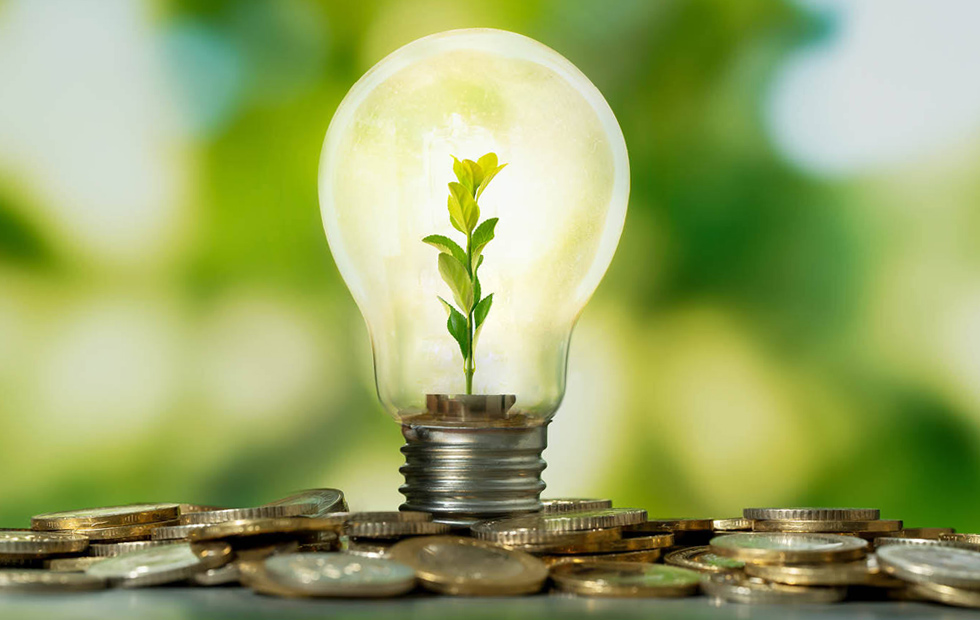
Use Energy Saving Light Bulbs
A single old light bulb replaced by an energy-efficient bulb can save between half and half.Lighting costs can be reduced up to 50% off the lifetime of the bulb price by replacing one old light bulb with an energy-efficient one.
Replace Your Old Boilers With New Ones!
Your boiler will account for approximately 60% of your annual energy costs, which is why upgrading your boiler to A-rated, high-efficiency condensing boiler could help save you a lot of money on your energy bills. Some grants may be available for disabled people, those on some benefits and any parents, for a new boiler.
You can take many different steps to lower your household’s energy consumption—from making behavioral changes to making major home improvements. There are two primary reasons to save energy – to save money on energy bills and to help preserve the environment. The following is a list of the top ten ways to save some electricity and conserve energy in your home, starting from the least to the most demanding.
What Is The Meaning Of The Term Energy Conservation?
Energy conservation is just the act of conserving energy, which is done to save money and to minimize environmental effects, at its core. This may involve saving electricity, gas or other energy you use from your utility. There is a limited supply of energy on this planet and where possible, energy is saved both at a personal level and for our energy systems.
Make Some Lifestyle Changes
In order to cut back energy use within the house, you don’t have to go out and buy energy-efficient products. Simple energy conservation measures, such as switching off the lights and appliances when they are not in use. Another way to reduce the amount of energy that you use is to avoid using energy-intensive appliances altogether by doing various tasks around the home by hand, such as hang-drying your clothes rather than sending them to the dryer, or doing the dishes by hand.
The changes in behaviour with the greatest potential to save energy are reducing heating in the winter and decreasing air conditioning use during summer. These savings on the intensity and frequency of heating and cooling are the biggest drops in utility bills and make up almost half of an average home’s utility bill.
You can use tools to determine where most electricity is being consumed in your home and/or identify the highest electricity-using appliances in your home on an everyday basis.
Change Light Bulbs
Traditional incandescent bulbs use a lot of energy and need to be replaced more frequently than the energy-efficient ones. Halogen incandescent, compact fluorescent (CFL) and light emitting diode (LED) bulbs consume from 25-80 per cent less electricity and can last from 3 times to 25 times longer than traditional incandescent bulbs.
Energy-saving bulbs are higher in up-front costs, but their energy efficiency and longer lifespan leads to lower costs over time.
Reduce The Power Drawn From The Wall With Smart Power Strips
Electronic equipment is a major source of energy waste, as the current it consumes when it is off or on standby mode is called “phantom loads.” In fact, it is estimated that 75% of the energy used to power household electronics is consumed when they are switched off, Smart power strips, also known as advanced power strips, eliminate the problem of phantom loads by closing off the power to electronics when they are not in use. Smart power strips can be programmed to switch off at scheduled times, when inactive, via remote switches and/or depend on the status of a “master” device.
Install A Programmable Or Smart Thermostat
The programmable thermostat can be programmed to automatically shut down or lower heating/cooling when you’re sleeping or away. When you purchase a programmable thermostat, you are not replacing your HVAC equipment, you are simply getting rid of the wasteful energy use.
There are a number of different programmable thermostats available that can be programmed to fit your weekly schedule. Further features of programmable thermostats may be filter change notifications or alerts for HVAC system issues, thereby further enhancing heating and cooling system efficiency.
Buy Low Energy-Using Appliances
Appliances account for an average of about 13% of an average household’s energy consumption. There are two numbers to consider when buying an appliance: the up-front cost and the cost of operation per year. The initial costs of an energy-efficient appliance may be higher, but they can save 9-25% on operating expenses when compared to their conventional counterparts.
Applying the energy star label to an energy efficient appliance is a federal guarantee that it will use less energy when operated and standby than standard appliances. The energy that is saved will vary by the appliance. For instance, an energy star clothes washer uses 25 per cent less energy and 45 per cent less water than a conventional clothes washer, while an energy star refrigerator uses just 9 per cent less energy.
Save On Water Heating Costs
Biggest energy usage of the house is for heating water. There are three ways to cut hot water costs in addition to buying an efficient water heater – just use less water, lower the temperature on your water heater, or insulate your water heater and first six feet of hot and cold water pipes.
When you are thinking about installing a more efficient water heater, there are two points to consider. The type of water heater that will fit your needs, and the type of fuel that will power it. Tankless water heaters, for instance, are energy-efficient but not the best option for big families since they can’t provide hot water simultaneously for multiple purposes. Efficient water heaters can be anywhere between 8% and 300% more energy-efficient than a conventional storage water heater.
Install Energy Efficient Windows
Windows are a major leak – can account for 10-25% of your heating cost. Single pane windows can be replaced with double pane products to minimize heat loss through the windows.
Gas-filled windows with low coatings can save you a lot on heating costs for homes in colder climates. Also, a storm window inside or out can cut down on the heat loss by 10-20 percent. Storm windows are a good option for areas that are prone to extreme weather.
With warmer climates, there can be a heat gain issue from the windows. Low-E coatings on windows not only help to cut down on heat loss, they can also help to reduce heat gain by reflecting more light and keeping less heat from entering your home.
Invest In HVAC Upgrades
An HVAC system consists of heating equipment, ventilation equipment and air conditioning equipment. Over 40% of home energy consumption is due to heating.
Air conditioning, by comparison, isn’t a significant contributor to energy bills – on average, it only makes up six per cent of the total energy use of your home central air conditioners are 8 per cent more efficient than conventional air conditioners. Even though the air conditioning systems are typically connected to the heating system, they often should be bought together so that the air conditioner can achieve its full rated energy efficiency.
Another aspect of an HVAC system that can be improved to work towards better energy efficiency is ventilation. The ventilation system consists of a system of ducts that circulate hot and cold air around the house. Poorly sealed or insulated ducts can cost hundreds of dollars a year for energy loss in your heating and cooling bills.
Weatherize Your Home
Sealing air leaks around the house is a wonderful method to lower heating and cooling costs, as well known as weatherizing. Vents, windows and doors are the top three places where air leakage occurs in the house. These leaks can only be prevented if no cracks or openings exist between the wall and vent, window or doorframe.
To seal air leaks between stationary objects, such as the wall and window frame, you can apply the caulk. Weather stripping can be used to seal gaps between mobile components, like operable windows and doors. Weatherstripping and caulking are simple air-sealing techniques that typically offer a return on investment in less than a year. Plumbing, ducting or electrical wiring openings in the wall, floor and ceiling may also cause air leakage.
Leaks from the inside of the home into the attic are the most common leak locations from the home. Hot air will rise and escape through any cracks, whether it’s through the attic hatch or ducts. As the natural flow of heat is from warmer to cooler areas, these small openings can make your heating bill even higher if your attic is not sufficiently insulated. When aiming for maximum savings from weatherization, it’s best to fully insulate the house.
Insulate Your Home
Insulation plays a key role in lowering your utility bills by keeping heat during the winter and keeping heat out of your home during the summer. The amount of heat resistance, or R-value, that your insulation needs depends on the climate in your area. The recommended R-value for warmer climates is considerably less than that for buildings in colder climates, such as those in the Northeast.
The amount of insulation you need in your home will vary depending on the size of your home. Consider five locations for adding insulation: your attic, walls, floors, basement, and crawlspace. Get recommendations from the Home Energy Saver tool, based on the specifications of your home, or get general regional recommendations from the Department of Energy’s webpage on insulation.
Why Bother To Save Energy Anyway?
Conservation of energy is a must and advantageous for a lot of reasons. It is possible to save money, boost the value of your home, and preserve the environment, and these are all just via simple energy-saving measures. These are some of the benefits that you can reap anytime you save energy, regardless of your initial reason for saving energy. By simply taking a small step towards living a more energy-conscious lifestyle, you can begin to enjoy all of the perks of being energy efficient.